The Question That Reveals Everything
“I own a crystal shop and it‘s not going great.”
That post on r/smallbusiness has become a cautionary tale. But what’s striking about the discussion thread is how differently the struggles play out. One shop owner is drowning in slow-moving inventory. Another can‘t keep popular items in stock. A third is doing fine but can’t scale.
The difference isn‘t luck. It’s who they are as buyers — and whether their sourcing strategy matches their business model.
In 2026, the crystal market is projected to reach $9.3 billion, growing from $8.9 billion in 2025. The healing crystal vertical alone is expanding at ~11.15% CAGR. But the growth isn‘t distributed evenly across buyer types. Here are the three distinct personas shaping wholesale demand — and what each one actually needs.
Persona 1: The Boutique Owner
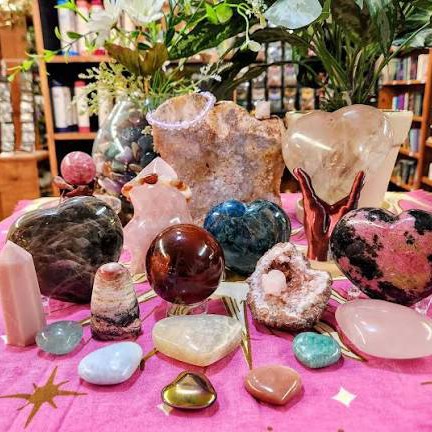
Who they are: Independent shop owners with a single storefront or small online shop. They’re often former collectors who turned a passion into a business.
Order rhythm: Small, frequent orders. $500–$3,000 per order, placed every 2–4 weeks. They can‘t afford to tie up cash in bulk inventory, so they order lean and often.
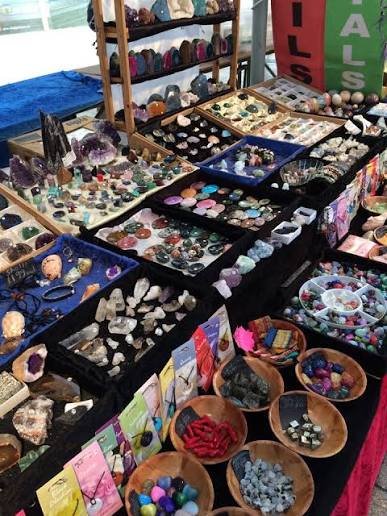
SKU preference: Variety over depth. They want 20 different crystals rather than 200 pieces of the same one. Tumbled stones, palm stones, small points, and affordable jewelry dominate their orders. They’re looking for pieces that turn over fast — items under $20 that customers buy on impulse.
Payment habits: Credit card or PayPal. They pay upfront because they don‘t have the volume to negotiate terms. Speed matters more than credit.
The trap: They buy what they love, not what sells. One boutique owner in the r/smallbusiness thread admitted she blew her opening budget on statement pieces that sat on the shelf for months while customers walked out with $5 tumble stones.
What they need from a supplier: Low MOQs, mixed lots, fast shipping, and honest photography. They’re not buying containers — they‘re buying curation.
Persona 2: The Chain Buyer
Who they are: Procurement managers for multi-location retailers — gift shop chains, museum stores, wellness centre franchises. They don’t choose crystals based on personal taste. They choose based on data.
Order rhythm: Large, infrequent orders. $10,000–$50,000+ per order, placed quarterly or bi-annually. They plan 6–12 months ahead.
SKU preference: Depth over variety. They want 500 pieces of the same 1.5-inch amethyst point, not 50 different crystals. Consistency matters more than uniqueness — every store in the chain needs to stock the same product.
Payment habits: Net 30–60 days. They have procurement departments and purchase order systems. They expect invoices, not Venmo requests.
The trap: They treat crystals like commodity goods and squeeze suppliers on price. But the most successful chain buyers understand that quality consistency is worth paying for — a bad batch of amethyst across 50 stores is a much bigger problem than a slightly higher unit cost.
What they need from a supplier: Consistent quality across batches, reliable delivery, ISO or equivalent quality systems, and the ability to scale production. They‘re not buying a story — they’re buying a supply chain.
Persona 3: The Marketplace Seller
Who they are: Etsy shop owners, Amazon FBA sellers, Instagram Live resellers. They don‘t have a physical storefront — they have a phone, a ring light, and a hustle.
Order rhythm: Opportunistic and variable. $200–$2,000 per order, placed weekly or even daily during peak seasons. They’re constantly testing new products and dropping what doesn‘t move.
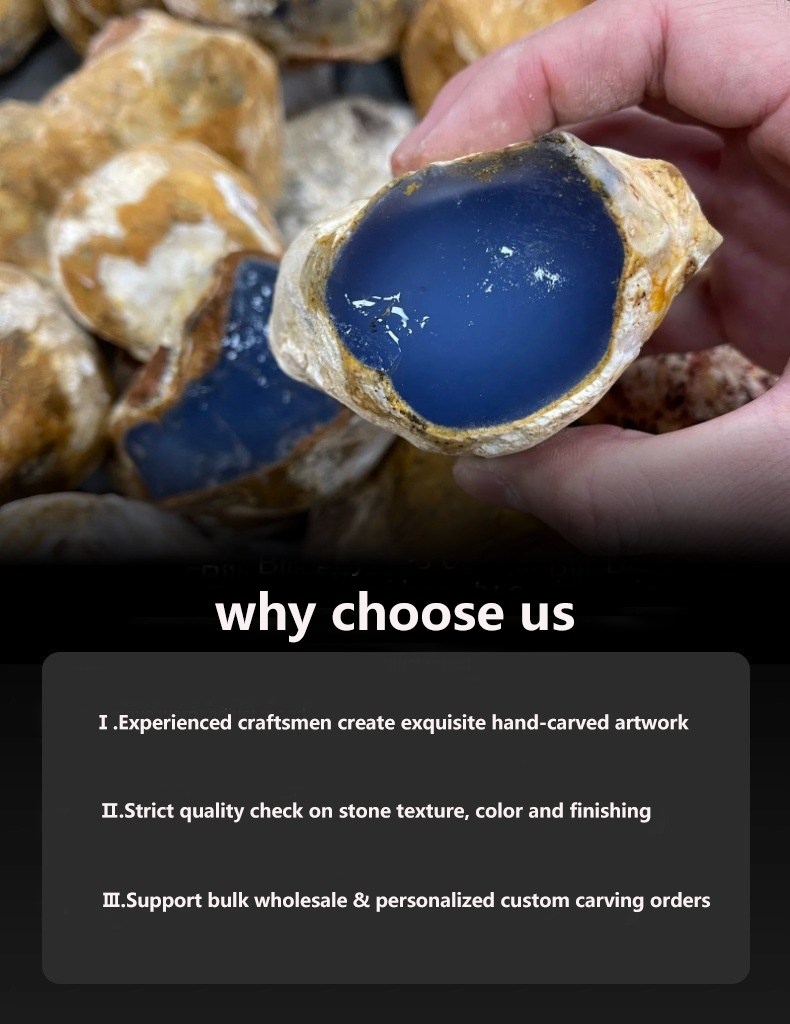
SKU preference: Trend-driven. They want whatever’s hot on TikTok this week — raw clusters, blue chalcedony carvings, crystal grids. They buy small quantities of many different items and pivot fast.
Payment habits: Credit card or instant transfer. They buy on impulse and expect immediate fulfilment. If you can‘t ship within 48 hours, they’ll find someone who can.
The trap: They chase trends and get stuck with dead inventory when the trend passes. The smart ones diversify — they keep 80% of their inventory in proven sellers and use 20% for trend-testing.
What they need from a supplier: Fast fulfilment, video verification of actual stock, flexible MOQs, and the ability to dropship or ship small parcels quickly. They‘re not loyal to suppliers — they’re loyal to speed.
The One Table You Need
The Bottom Line
The crystal market in 2026 isn‘t one market. It’s three different markets running in parallel. The boutique owner, the chain buyer, and the marketplace seller each have different rhythms, different priorities, and different pain points.
If you‘re a supplier, the mistake is trying to serve all three the same way. The boutique owner needs curation and low MOQs. The chain buyer needs consistency and scale. The marketplace seller needs speed and flexibility.
And if you’re a buyer, the question isn‘t “what should I buy?” It’s “what kind of buyer am I?” Answer that first, and the sourcing strategy follows.


 English
 Français
 عربي
عربي Deutsch