— A supplier‘s perspective on your first inventory order
The Question Nobody Answers
“I’m opening up my own metaphysical shop and I am looking for quality crystals that are authentic, but in truth my knowledge on crystals is somewhat limited.”
That post from r/Crystals gets written about a dozen times a week. The community has over 318,000 members, and new shop owners keep asking the same question: What should I buy first?
The answers they get are well-meaning but vague. “Buy what you love.” “Start with the classics.” “Get a little bit of everything.”
None of that helps you place a wholesale order without burning through your opening budget.
Here‘s what actually works.
The One Rule That Changes Everything
Stop buying like a collector. Start buying like a retailer.
Collectors buy what fascinates them. Retailers buy what moves. The two are almost never the same thing.
Most new shop owners blow their first wholesale budget on statement pieces—big amethyst geodes, rare specimens, crystals they would want to own. Then they open the shop and realise those pieces sit on the shelf for months while customers walk out with $5 tumble stones.
Your first order isn‘t about you. It’s about what your customers are actually going to pay for.
The Three-Dimensional Inventory Framework
Instead of guessing, use this framework: every product in your first order should be evaluated across three dimensions.
Price point. Can you sell it at a price your customers will actually pay?
Turnover speed. Will it sell quickly, or will it sit?
Customer type. Who is buying it—the spiritual seeker, the gift buyer, or the collector?
Stack those three together, and you get a clear picture of what belongs in your opening order and what can wait.
The Starter Inventory: What to Buy First
Let‘s walk through specific product categories, from the cheapest and fastest-moving to the higher-ticket items that build your shop’s identity.
Category 1: Tumbled Stones ($0.50–$3 wholesale)
Tumbled stones are the lifeblood of any crystal shop. They‘re cheap to buy, easy to display, and they turn over faster than anything else in your inventory.
What to stock: Amethyst, rose quartz, clear quartz, citrine, and labradorite. These five consistently rank as the top-selling crystals worldwide.
Why: A customer can walk in, spend $5–$10, and leave feeling like they‘ve made a meaningful purchase. That low barrier to entry is what gets first-time buyers through the door.
Wholesale tip: Buy tumbled stones by the kilo, not by the piece. The per-unit cost drops significantly at bulk quantities. A real wholesale price should allow you to at least double your money.
Customer type: Everyone. Spiritual seekers buy them for meditation. Gift buyers grab a handful for friends. Kids love them. Tumbled stones are your shop‘s entry-level product, and they should never run out.
Category 2: Points and Towers ($3–$15 wholesale)
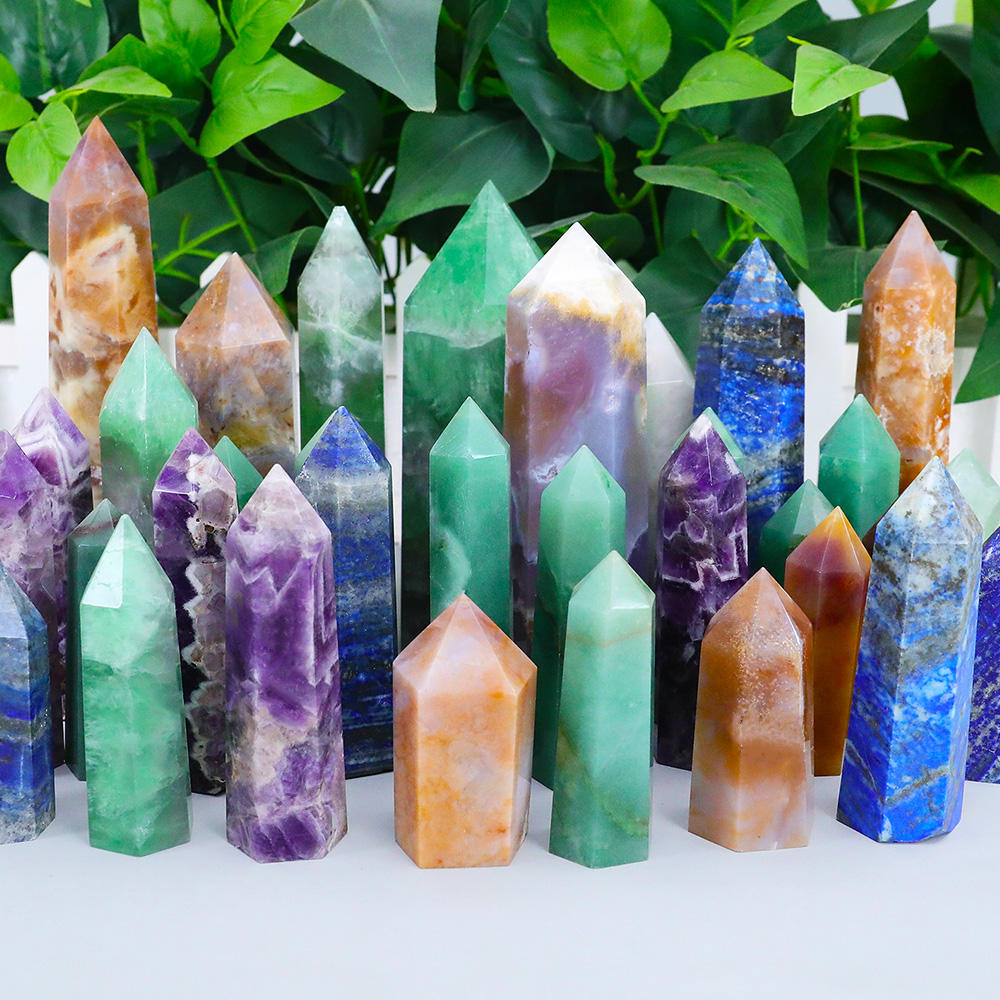
Once a customer has bought a few tumble stones, they‘ll start looking for something bigger. Points and towers are the natural next step.
What to stock: Clear quartz points, amethyst towers, rose quartz palm stones. These are consistently reliable sellers year-round.
Why: They’re displayable. They feel substantial. And they give you a chance to move customers from the $5 purchase to the $20–$30 purchase.
Wholesale tip: Create consistent sizing bands. If you stock 3-inch towers and 6-inch towers, customers know what they‘re getting, and you can reorder without rewriting product descriptions.
Customer type: The intentional buyer. Someone who came in for a specific purpose—meditation, gift-giving, home decor—and is willing to spend a bit more.
Category 3: Clusters and Geodes ($10–$50 wholesale)
Clusters are where your shop starts to look like a crystal shop instead of a rock collection.
What to stock: Amethyst clusters are the gold standard. They have high visual appeal in all forms and are a core staple for spiritual seekers. Small to medium clusters are the sweet spot—big enough to impress, small enough to fit on a shelf.
Why: Clusters are your mid-tier product. They look expensive (which means you can mark them up accordingly) but they‘re still accessible to most shoppers.
Wholesale tip: Ask your supplier for video of the actual stock before buying. Clusters vary wildly in quality, and photos can be misleading.
Customer type: The decorator and the serious collector. These are people furnishing a home altar or adding to an established collection.
Category 4: Carved Pieces ($5–$200+ wholesale)
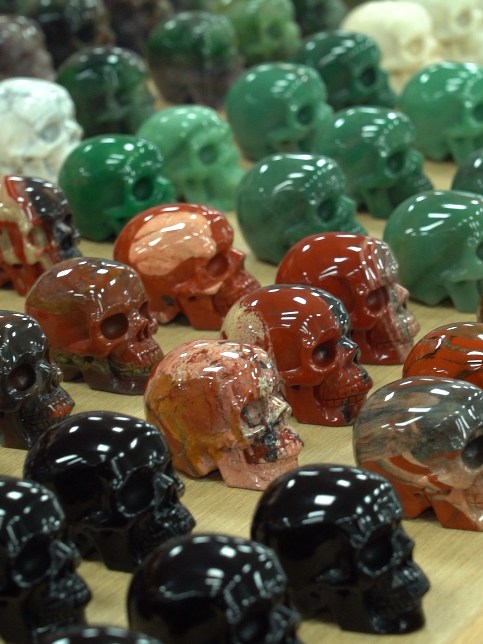
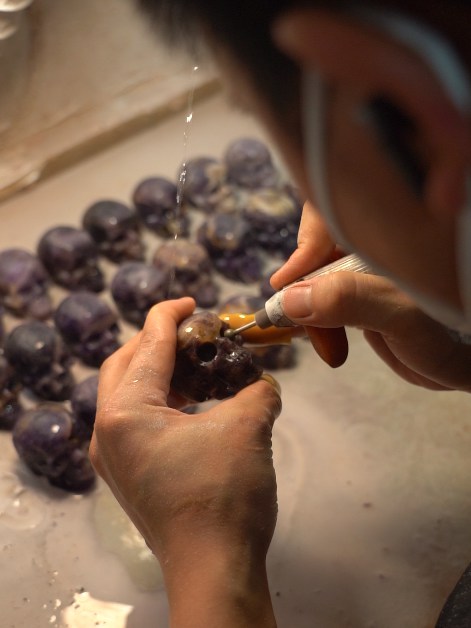
Carved crystal products—skulls, animals, spheres—are where your margins get interesting. Profit margins on larger items can range from 4x to 6x wholesale.
What to stock: Small crystal skulls (2.5–5cm) are accessible at around $95 wholesale. Spheres in the 2–4 inch range are consistent sellers. Hearts and animal carvings work well for the gift market.
Why: These are statement pieces. They‘re what customers photograph and post on social media. They’re what make your shop memorable.
Wholesale tip: Start small. Buy 5–10 carved pieces in your first order, not 50. Learn which ones move before committing to a larger investment.
Customer type: The gift buyer and the collector. Carved pieces are often purchased as presents or as centrepieces for personal collections.
Category 5: Jewelry ($10–$100 wholesale)
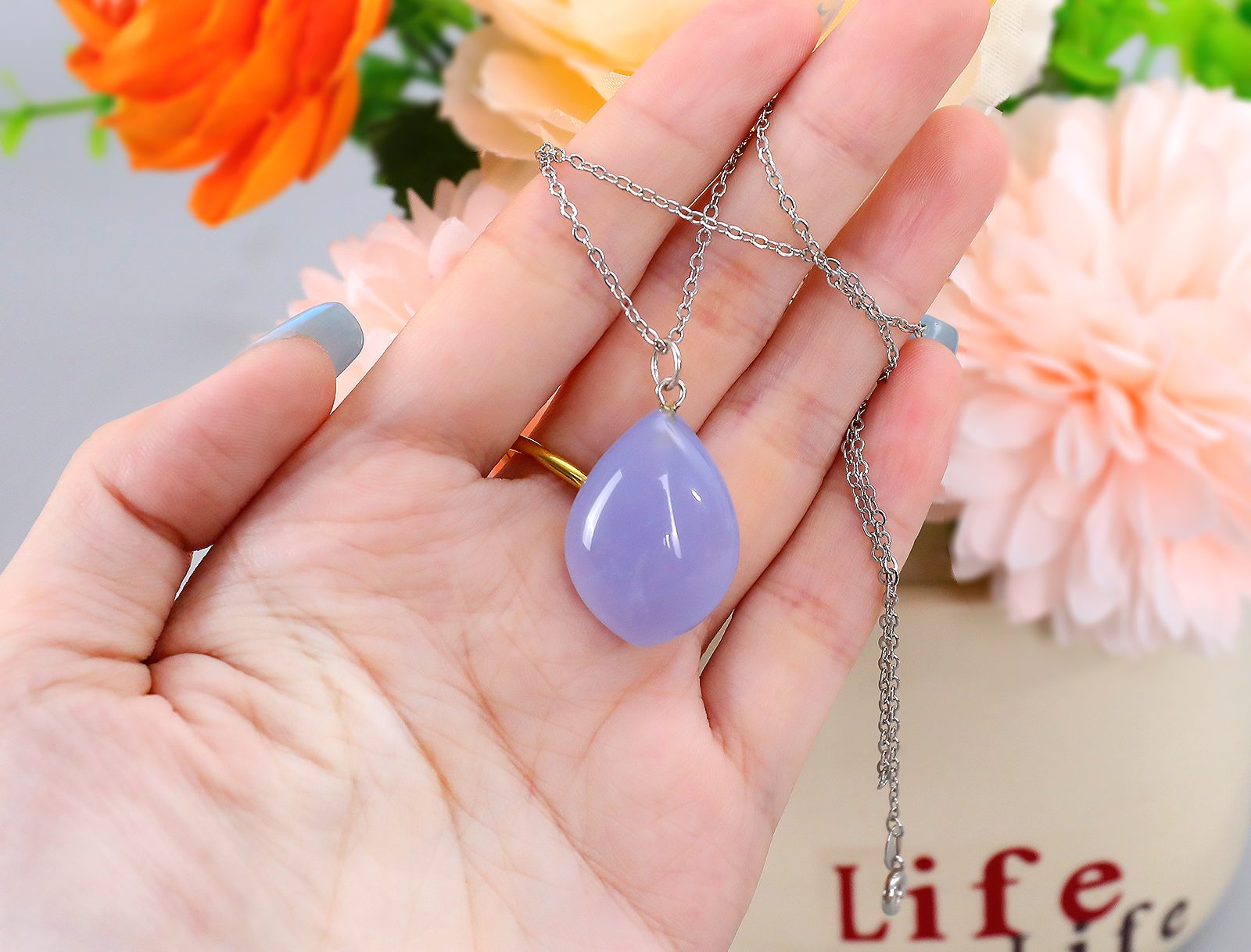
Crystal jewelry is a different beast entirely. It requires more curation, more sizing consideration, and more customer education. But it also offers some of the highest margins—smaller items can yield 15x to 30x markups.
What to stock: Start with necklaces and bracelets in the most popular stones: amethyst, rose quartz, and clear quartz.
Why: Jewelry gets worn. Every time a customer wears a piece from your shop, they become a walking advertisement.
Wholesale tip: Don‘t over-invest in jewelry on your first order. It’s more complicated to sell, and sizing and style preferences vary widely by region and demographic.
Customer type: The fashion buyer and the gift shopper. These customers aren‘t necessarily crystal enthusiasts—they just like how the piece looks.
The SKU Breakdown
Here’s a sample first-order breakdown for a small-to-medium shop, organised by customer type and recommended opening quantity:
Note: Budgets are estimates based on typical wholesale pricing and will vary by supplier, stone quality, and market conditions.
Three Mistakes That Will Cost You
Mistake 1: Buying what you like, not what sells
New shop owners consistently make the mistake of buying inventory based on personal taste rather than market demand. Your personal collection and your shop inventory should be separate things. If you wouldn‘t stock it because it sells, don’t buy it.
Mistake 2: Forgetting the landed cost
A $10 wholesale cost can easily become a $16 landed cost by the time it hits your shelf. Factor in freight, customs, breakage allowance, and packaging before you set your retail price. If you price based on invoice cost alone, you‘ll lose money and not understand why.
Mistake 3: Skipping the sample order
Legitimate suppliers will let you buy samples before a big order. Always test before committing. If a supplier pushes you to buy bulk without offering samples, that’s a red flag.
The Bottom Line
Your first wholesale order isn‘t about building the perfect collection. It’s about testing the market with a lean, strategic inventory that tells you what your customers actually want.
Start with the proven sellers—amethyst, rose quartz, clear quartz, citrine, labradorite. Buy deeper in fewer categories rather than shallow across dozens. And for the love of good business, don‘t blow your budget on statement pieces before you’ve confirmed that anyone in your area will actually buy them.
The crystal market in North America alone was valued around $1.2 billion in 2020 and projected to reach $1.8 billion, with the global healing crystal market expected to grow from $1.06 billion to $2.7 billion by 2033. The opportunity is real. But opportunity doesn‘t pay the rent—sales do. Stock what sells, and the collection will build itself.


 English
 Français
 عربي
عربي Deutsch