The One Thing Nobody Tells You
You’ve negotiated the price. You’ve approved the samples. The factory is ready to ship.
Then the container arrives at your port — and customs hits you with a bill you didn’t see coming.
I’ve watched it happen to retailers more times than I can count. The crystal itself was a good deal. The shipping was reasonable. But the duties, the classification errors, the unexpected tariffs? That’s where the budget blew up.
Here’s what actually happens when you import crystal from China — and how to avoid the surprises.
First: Know Your HS Code
The Harmonized System (HS) code determines everything — your duty rate, your clearance time, and whether your shipment gets held up.
For most crystal products, you’re looking at one of two broad categories:
Chapter 71 covers precious and semi-precious stones. Natural crystal that’s cut, polished, or carved — but not set in jewelry — falls here. Think: crystal skulls, spheres, towers, and raw clusters.
Chapter 70 covers glass and glassware. This matters because some “crystal” products are actually lead glass. If your supplier is selling you glass masquerading as crystal, the classification — and the duty — will be different.
The rule: Get your HS code confirmed before you ship. A misclassification can mean weeks of delays and penalties. One importer recently declared crystal under the wrong code and ended up paying 4% duty plus 10% consumption tax — charges they hadn’t budgeted for.
United States: The Complicated One
The US market used to be straightforward for crystal imports. Not anymore.
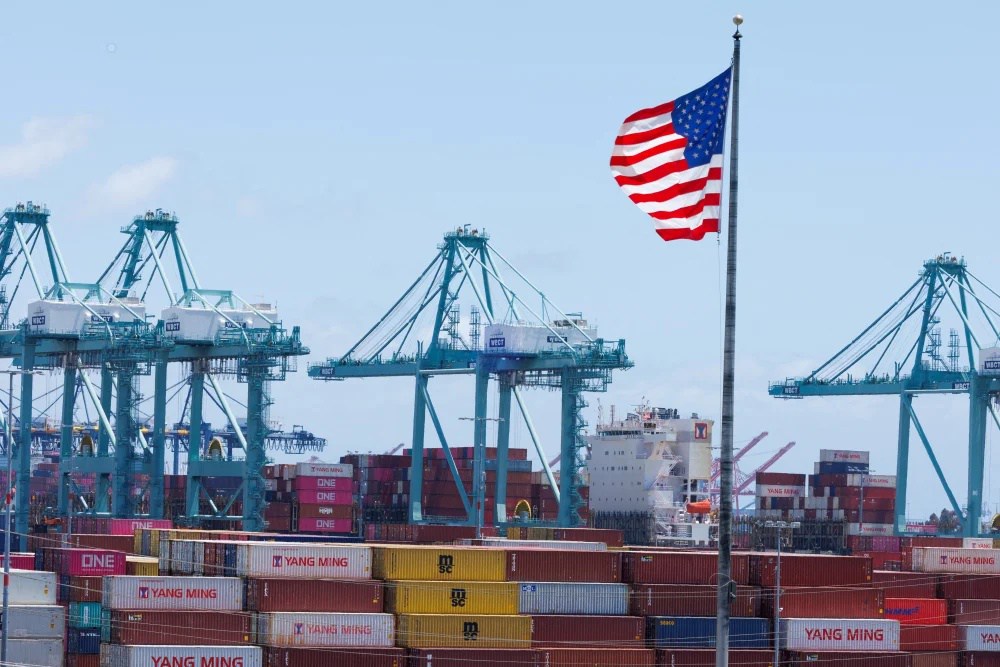
Loose, unset gemstones historically entered the US duty-free. That changed in 2025, when country-specific tariffs were layered on top of existing duties. Today, colored gemstones and crystal products from China face a complex web of tariffs that have fundamentally altered the trade.
Here’s where it gets specific. For carved crystal products like skulls and spheres, the applicable HTS code often falls under 7013.28 — crystalline glassware. The base duty is around 5%, but imports from China face an additional 7.5%.
For mounted jewelry containing crystal or gemstones, the duty is 6% on set pieces — and that’s before any country-specific tariffs apply.
The wildcard: the de minimis threshold. As of late 2025, the US ended de minimis for many low-value shipments, meaning even small parcels now require full HTS duties. If you’re used to shipping small samples duty-free, that window has closed.
Clearance time: 3–7 days on average, but shipments with classification issues can stretch to 2–3 weeks. The key is having your paperwork in order before the vessel arrives.
European Union: The Predictable One
The EU is more straightforward — but the math is different.
The EU applies a Most-Favoured-Nation (MFN) duty of around 4% on worked crystal and semi-precious stones under HS code 7103.99. For glass crystal products (Chapter 70), rates vary by product type and value, typically ranging from 4–8%.
Then there’s VAT. Every EU country applies its own rate on top of the duty — anywhere from 17% to 27%. Unlike the US where duty and tax are separate line items, the EU calculates VAT on the CIF value (Cost, Insurance, Freight) plus the duty. This means your tax bill is calculated on top of your shipping and insurance costs, not just the product price.
Clearance time: 2–5 days at major ports like Rotterdam or Hamburg, provided your paperwork is clean. The EU is strict on origin documentation — you’ll need a valid certificate of origin to claim any preferential rates.
United Kingdom: The Independent One
Post-Brexit, the UK has its own tariff regime — the UK Global Tariff.
Precious and semi-precious stones fall under Chapter 71 of the UK Global Tariff. Most loose gemstones and crystal attract 0% customs duty. That sounds great — but here’s the catch.
The standard UK VAT rate is 20%, and it applies to most crystal and gemstone imports. Unlike the EU where you might be able to defer VAT payment, UK importers generally pay VAT upfront and reclaim it later — which means you need the cash flow to cover it.
The good news: The UK is more flexible on low-value shipments. Imports valued under £1,000 may not require a formal customs declaration, though you’ll still need to account for VAT.
Clearance time: 2–4 days at major ports. The UK customs system is digital-first, so filing through HMRC’s Customs Declaration Service is mandatory.
The Xiamen Port Reality
If your shipment is leaving from Xiamen — one of China’s busiest ports for crystal exports — here’s what the factory side looks like.
The export declaration process starts before the goods reach the port. You’ll need:
-
Commercial invoice (with HS code, value, and product description)
-
Packing list (weight, dimensions, package count)
-
Bill of lading
-
Certificate of origin (if required by the destination country)
Critical step: Confirm the HS code with your freight forwarder before the goods are loaded. Crystal and glass have different classifications, and getting it wrong means the shipment doesn’t leave the port.
Radioactive testing is mandatory for natural crystal exports — every container is subject to inspection. This is non-negotiable. If your crystal fails the test, it’s not getting on the ship.
The Bottom Line: What You Actually Need to Know
Here’s a quick reference for planning your shipment:
Note: Duties and VAT rates vary by specific product type, value, and origin documentation. Always confirm with your freight forwarder before shipping.
Three rules that will save you money:
-
Classify before you buy. Get the HS code confirmed in writing from your freight forwarder before you place the order.
-
Budget for VAT. In the EU and UK, VAT is often the bigger cost than duty. Factor it into your landed cost from day one.
-
Don’t cut corners on paperwork. A missing certificate of origin or a misdeclared value will cost you more in delays than you save in shortcuts.
The crystal market is growing — from $6.1 billion in 2025 to a projected $8.4 billion by 2035. But growth doesn’t pay for unexpected customs bills. Get the import side right, and your wholesale business stays profitable.


 English
 Français
 عربي
عربي Deutsch