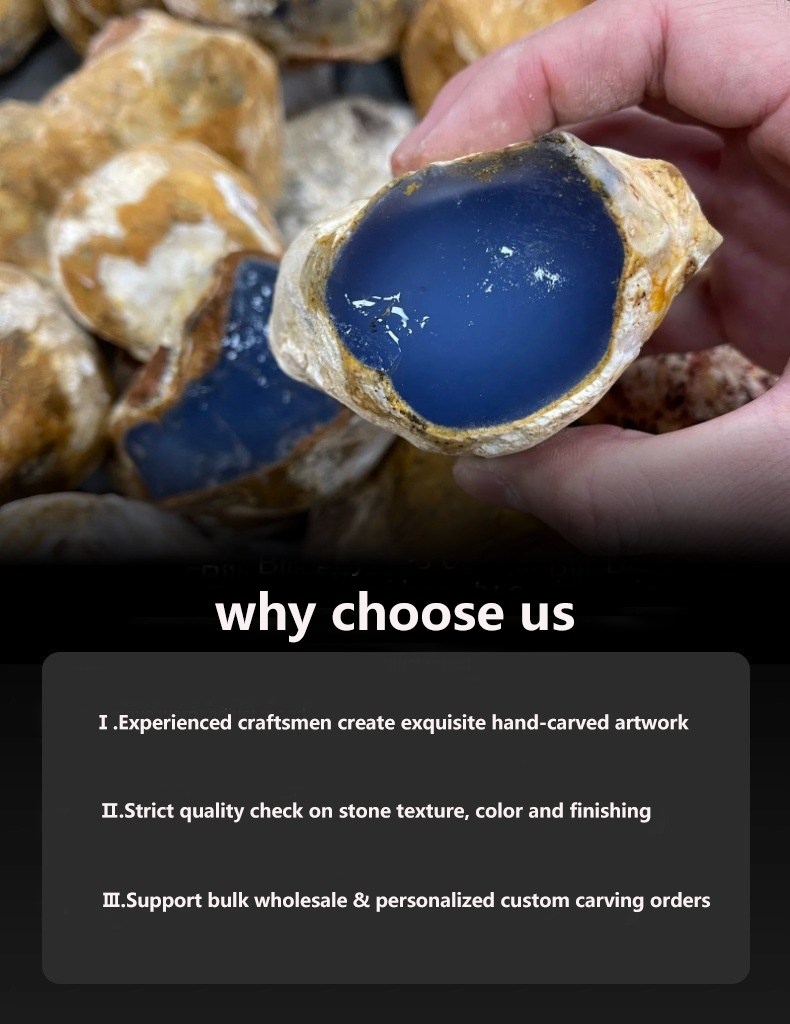
If you‘ve been around the crystal community for a while, you’ve probably noticed something.
Crystal skulls are everywhere now.
But here‘s what a lot of buyers miss. They pick a skull purely by how it looks. They see a beautiful hand carved crystal skull, love the color, and buy it. That’s totally fine. But if you actually work with crystals — for meditation, energy clearing, or just as a focus object — the material matters just as much as the shape.
The skull shape already carries meaning. It symbolizes impermanence, inner wisdom, and transformation. But depending on what crystal it‘s carved from, that energy shifts completely.
I’ve worked with quite a few different stones over the years. Here‘s what I’ve learned about the real differences between them.
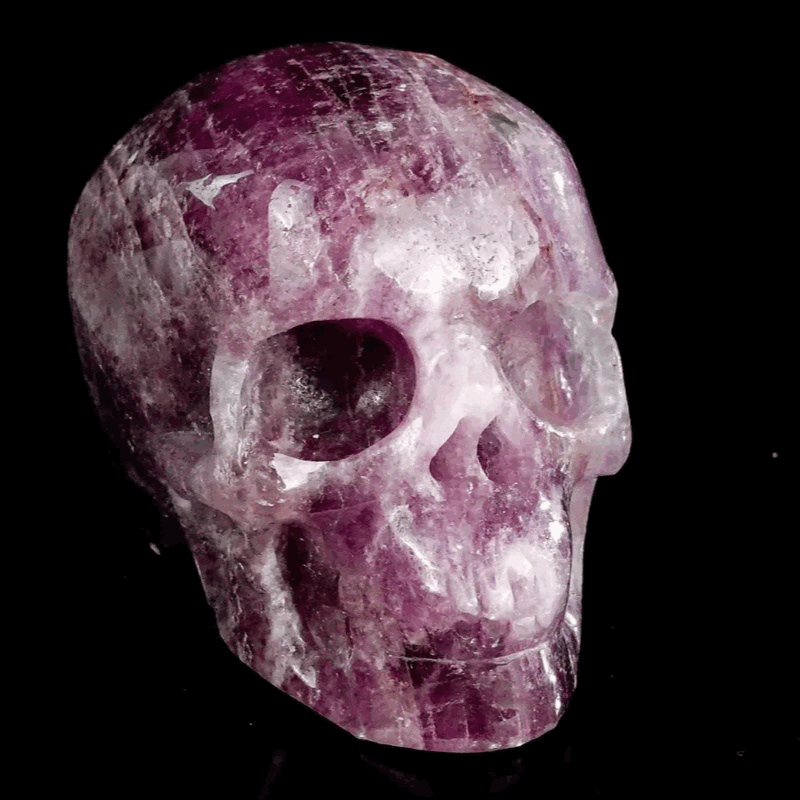
Let‘s start with the one that surprises most people.
Fluorite is often called the “Genius Stone.” That sounds a bit dramatic, but honestly, it fits.
If you buy a fluorite crystal skull, you’re getting something that works well for mental focus. I keep one on my desk — not because I believe in magic, but because it genuinely helps me reset when my brain gets too noisy. Purple and green fluorite, in particular, feel very calming without making you sleepy.
The multi-color ones, often called rainbow fluorite, are visually stunning. But each color band seems to bring a slightly different feel. Purple for intuition, green for emotional balance, clear for mental clarity.
Best for:Desk decor, study spaces, anyone who over-thinks.
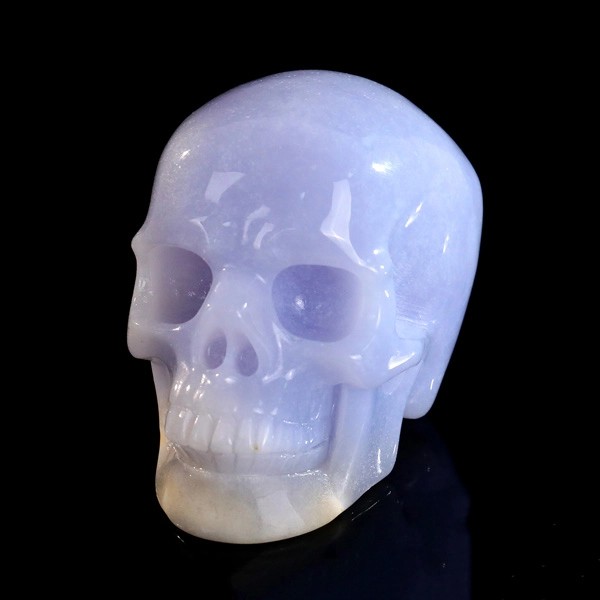
This one is quieter.
Blue chalcedony doesn‘t scream for attention. It’s soft, almost milky blue, and it feels… gentle. If fluorite is the sharp-minded professor, blue chalcedony is the friend who listens without interrupting.
A blue chalcedony skull is a good choice if you use crystals during meditation or keep one in a shared living space. It doesn‘t push energy. It just sits there, calm and steady. People who struggle with anxiety or have a hard time speaking up in groups seem to like this one the most.
It also looks beautiful in natural light. Not flashy — just quietly elegant.
Best for:Bedrooms, living rooms, people who need help slowing down.
Amethyst Skull – The Classic Spiritual Choice
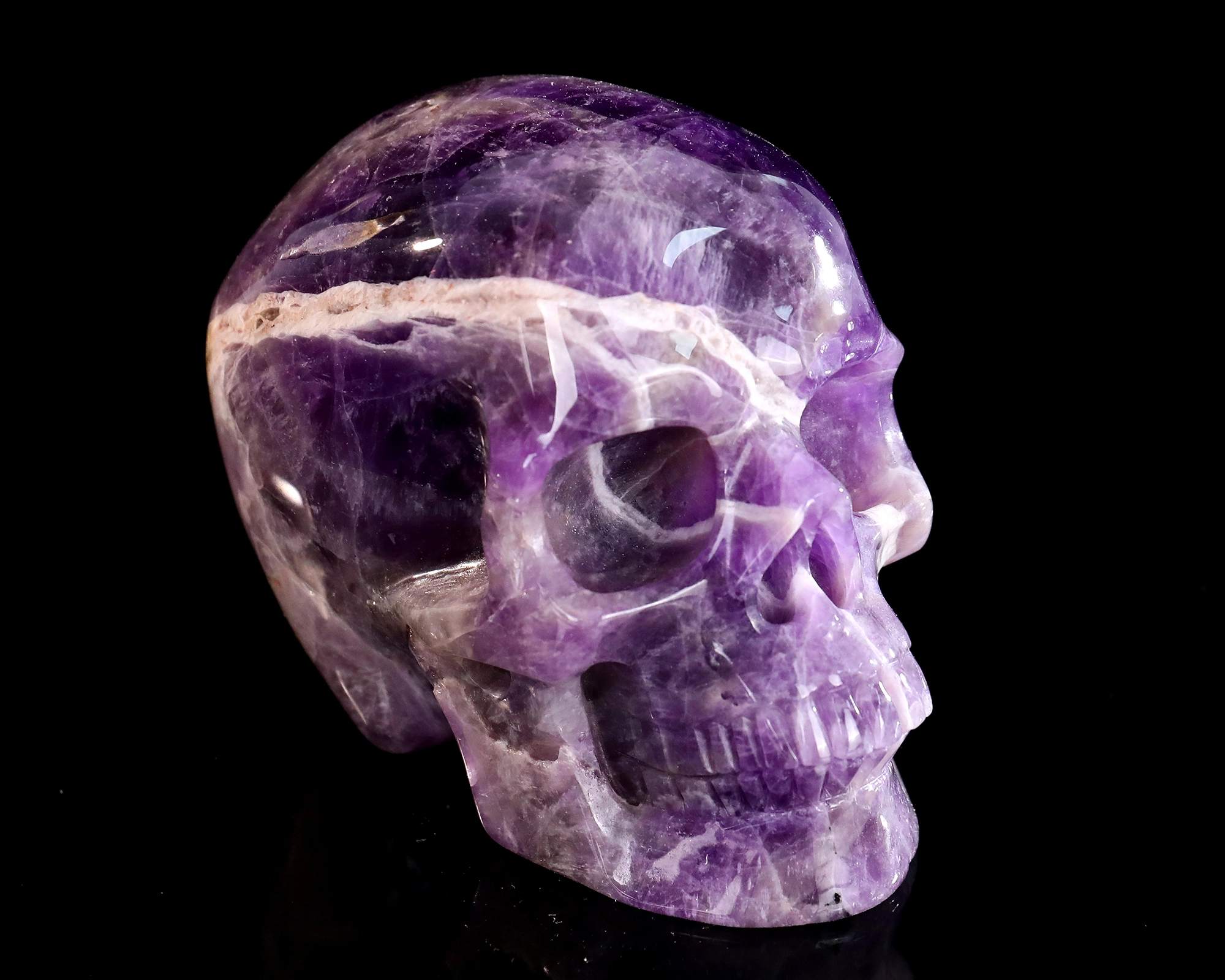
I almost didn’t include amethyst because it‘s so common.
But that would be a mistake.
An amethyst crystal skull is popular for a reason. Amethyst has been used for spiritual work for centuries. It’s strongly associated with the third eye and crown chakras, which basically means it‘s good for meditation, intuition, and sleep.
What I’ve noticed is that amethyst skulls feel “active” in a way that blue chalcedony does not. If you place one in a room, you notice it. Some people find that helpful. Others find it a bit intense. If you‘re new to crystal work, start with a small one.
Best for:Meditation altars, spiritual practitioners, people working on self-awareness.
Obsidian Skull – Not for Everyone, But Powerful
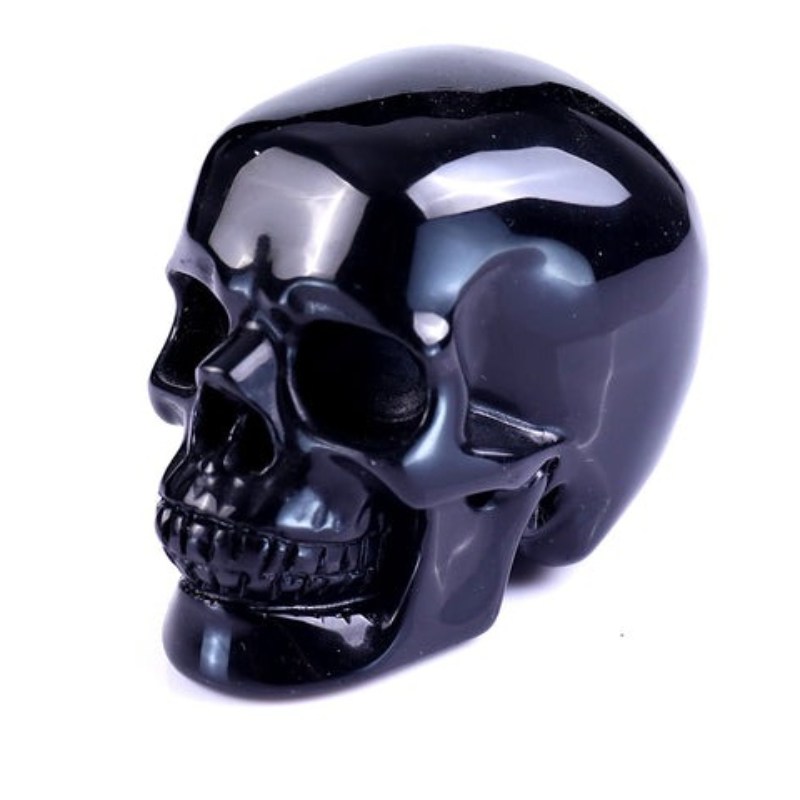
Obsidian is sharp. Literally and energetically.
A black obsidian skull is not a gentle stone. It’s often used for protection, shadow work, and cutting through illusions. If you‘re going through a difficult life transition — a breakup, a career change, letting go of something that no longer serves you — obsidian can be helpful.
But I’ll be honest. It‘s not a “carry it everywhere” kind of stone. Some people find it too intense. If you buy one, give yourself time to get used to it. And don’t put it under your pillow unless you want weird dreams.
Best for:Shadow work, protection, people going through major life changes.
So Which One Should You Choose?
Here‘s my honest advice.
Don’t just buy the most expensive one or the one that looks coolest in photos. Think about how you‘ll actually use it.
A hand carved crystal skull is already a special object. It takes skill and time to make one. But when you pair the skull shape with the right crystal material, it becomes something more — a tool that actually supports whatever you’re working on.
Final Thought
That‘s why I always tell people:don’t just look at the skull. Look at the stone.
Have you worked with different types of crystal skulls? Which one felt right to you?


 English
 Français
 عربي
عربي Deutsch