Executive Summary
The crystal skull market has evolved from a niche collector’s curiosity into a legitimate and growing commercial category spanning spiritual retail, home décor, corporate gifting, and luxury collectibles. For B2B buyers, understanding the demand drivers, pricing tiers, material preferences, and regional dynamics of this market is essential for informed sourcing decisions.
This report examines the current state of the crystal skull market, drawing on broader crystal products data, pricing intelligence, and observable trade patterns to provide a practical framework for procurement strategy.
1. The Big Picture: Crystal Products Market Context
The crystal skull category sits within the broader crystal products market, which provides the foundational context for understanding its growth trajectory.
The global crystal products market is estimated at USD 6.1 billion in 2025 and is projected to reach USD 8.4 billion by 2035, registering a compound annual growth rate (CAGR) of 3.3% over the forecast period. Alternative estimates place the market at USD 12.23 billion in 2025, growing to USD 15.15 billion by 2031 at a CAGR of 3.6%.
Within this market, the luxury and decorative goods segment holds the largest share at 35%, driven by demand for home décor, jewelry, and fashion accessories. The giftware and seasonal products market accounts for 15%, where crystal figurines, awards, and collectible items see demand spikes during festivals, holidays, and corporate gifting cycles. The arts, crafts, and hobbyist market represents 10%, supporting DIY enthusiasts and small-scale manufacturers.
Collectively, luxury, industrial, and giftware segments account for 75% of total demand. Crystal skulls, sitting at the intersection of decorative art, collectibles, and giftware, are well-positioned to benefit from this growth.
Key growth regions for crystal products include North America, Asia-Pacific, and Europe. North America and Europe, in particular, represent the primary export destinations for carved crystal skulls from manufacturing hubs such as China’s Donghai County.
From Archaeological Curiosity to Commercial Category
Crystal skulls first appeared in European collections in the mid‑1800s. The most famous, the Mitchell‑Hedges skull, surfaced in the 1930s. Today, a market for crystal skulls is actively growing, with modern makers producing them in all sizes.
What was once a museum curiosity has become a commercial product category with multiple demand streams:
-
Spiritual and metaphysical retail: Crystal skulls are used in meditation, energy healing, and as spiritual tools. The broader U.S. metaphysical economy now encompasses over 120,000 businesses generating USD 11.8 billion annually.
-
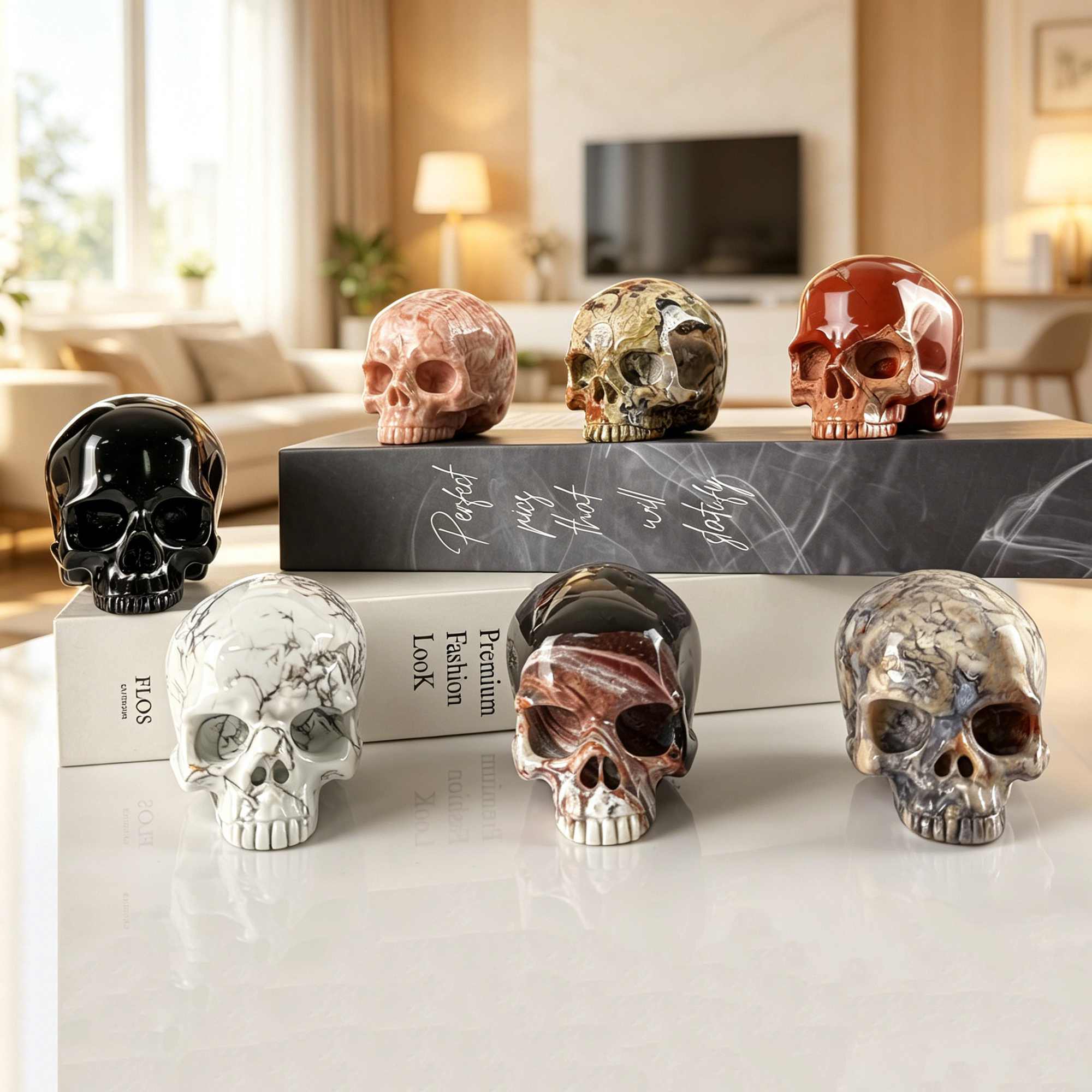
Home décor: Crystal skulls serve as decorative centerpieces, adding a distinctive aesthetic to contemporary interiors. They are increasingly integrated into interior design—from statement pieces to curated collections.
-
Collectibles: Gem and mineral enthusiasts actively collect crystal skulls.
-
Corporate and premium gifting: Crystal skulls are positioned as high‑end gifts for executives, milestone celebrations, and luxury brand partnerships.
Year‑Round Demand with Seasonal Peaks
Crystal carvings, including skulls, are not tied to specific seasons, ensuring consistent demand throughout the year. However, seasonal peaks do occur:
-
Holiday gifting cycles drive demand in Q4.
-
Corporate gifting spikes around fiscal year‑end and major holidays.
-
Festival‑driven sales create predictable high‑demand periods.
This combination of baseline year‑round demand and seasonal spikes makes crystal skulls a reliable inventory category for B2B buyers.
3. Pricing Tiers and Wholesale Economics
Price Range Overview
Crystal skull pricing varies dramatically based on size, material, craftsmanship, and provenance. Retail prices range from USD 150 for smaller pieces to thousands of dollars for larger or premium specimens.
On the wholesale side, the pricing landscape is more structured. The table below summarises typical wholesale price tiers by product type and size.
Table 1 – Wholesale Price Tiers for Crystal Skulls
Material and Craftsmanship Premiums
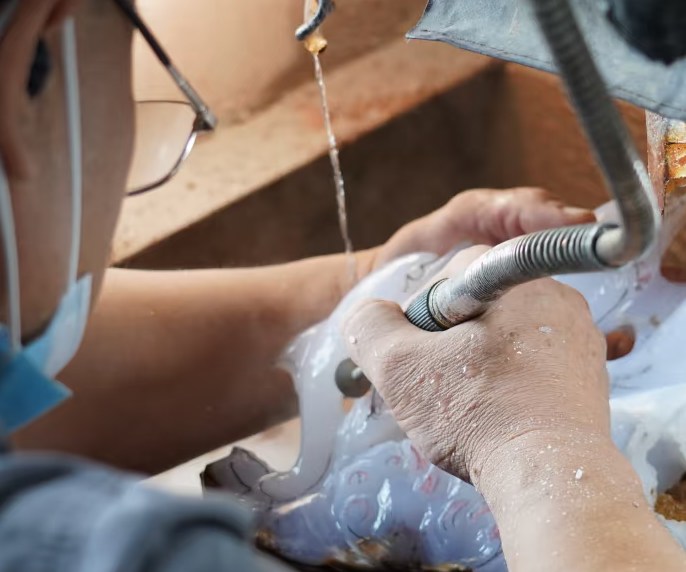
Handcrafted crystal skulls command significant premiums due to labor intensity. While mass‑produced quartz products offer low per‑unit pricing, handcrafted crystal skulls can exceed USD 750 per piece.
Key factors affecting wholesale pricing:
-
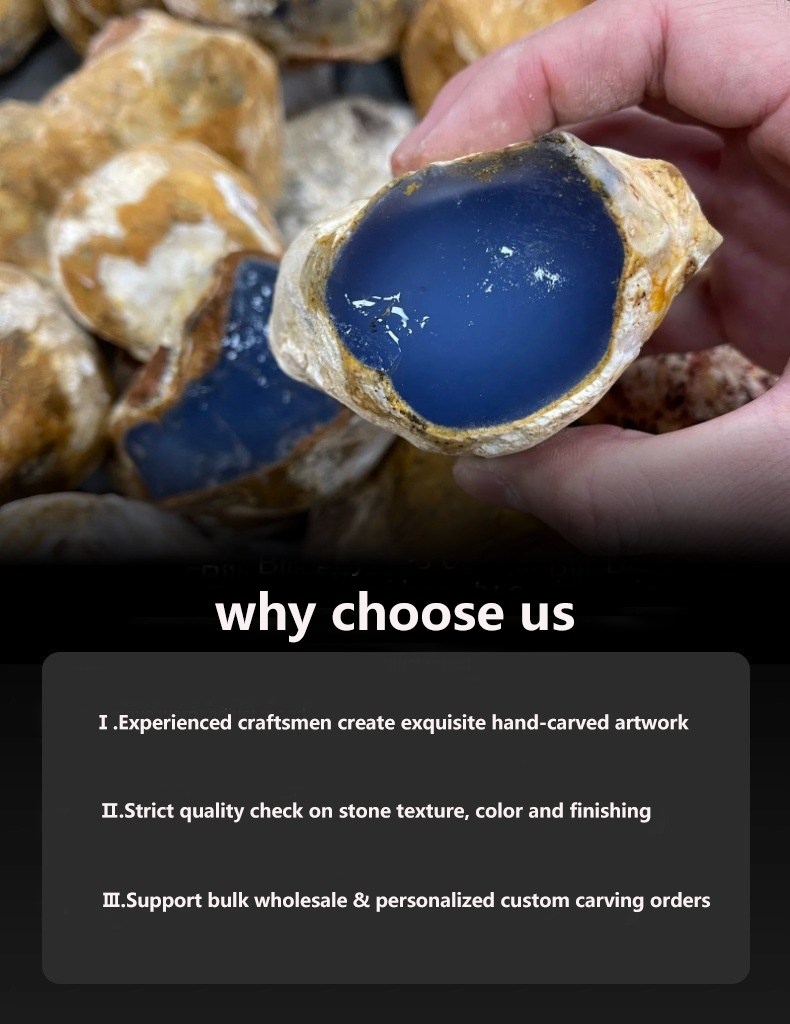
Material rarity: Blue chalcedony, larimar, and Moldavite command higher prices than common quartz or amethyst.
-
Size: Larger skulls require more raw material and greater carving skill.
-
Detail complexity: Intricate features (teeth, eye sockets, cranial sutures) increase labor hours.
-
Finish quality: High polish versus matte finish affects perceived value.
-
Origin documentation: Provenance and ethical sourcing claims add premium.
Wholesale Market Indicators
B2B platforms show active wholesale trading across multiple crystal types. Common wholesale offerings include:
-
Clear quartz skulls in 2.5–3.5 cm sizes, with per‑unit pricing reflecting craftsmanship and size.
-
Ocean jasper skulls of approximately 7.9 x 5.6 x 5.2 cm, with MOQ as low as 1 piece.
-
Moss agate skulls weighing 1.89 kg, with tiered pricing from USD 80 (1 piece) to USD 75 (5+ pieces).
-
Multi‑chakra skull sets combining red jasper, aventurine, tiger eye, sodalite, lapis lazuli, and amethyst.
The availability of low MOQs (1–5 pieces) indicates that wholesalers are accommodating boutique retailers and smaller buyers, not just large‑volume distributors.
4. Material Preferences in the Crystal Skull Market
Most Common Materials
Based on wholesale and retail observations, the following materials dominate the crystal skull market:
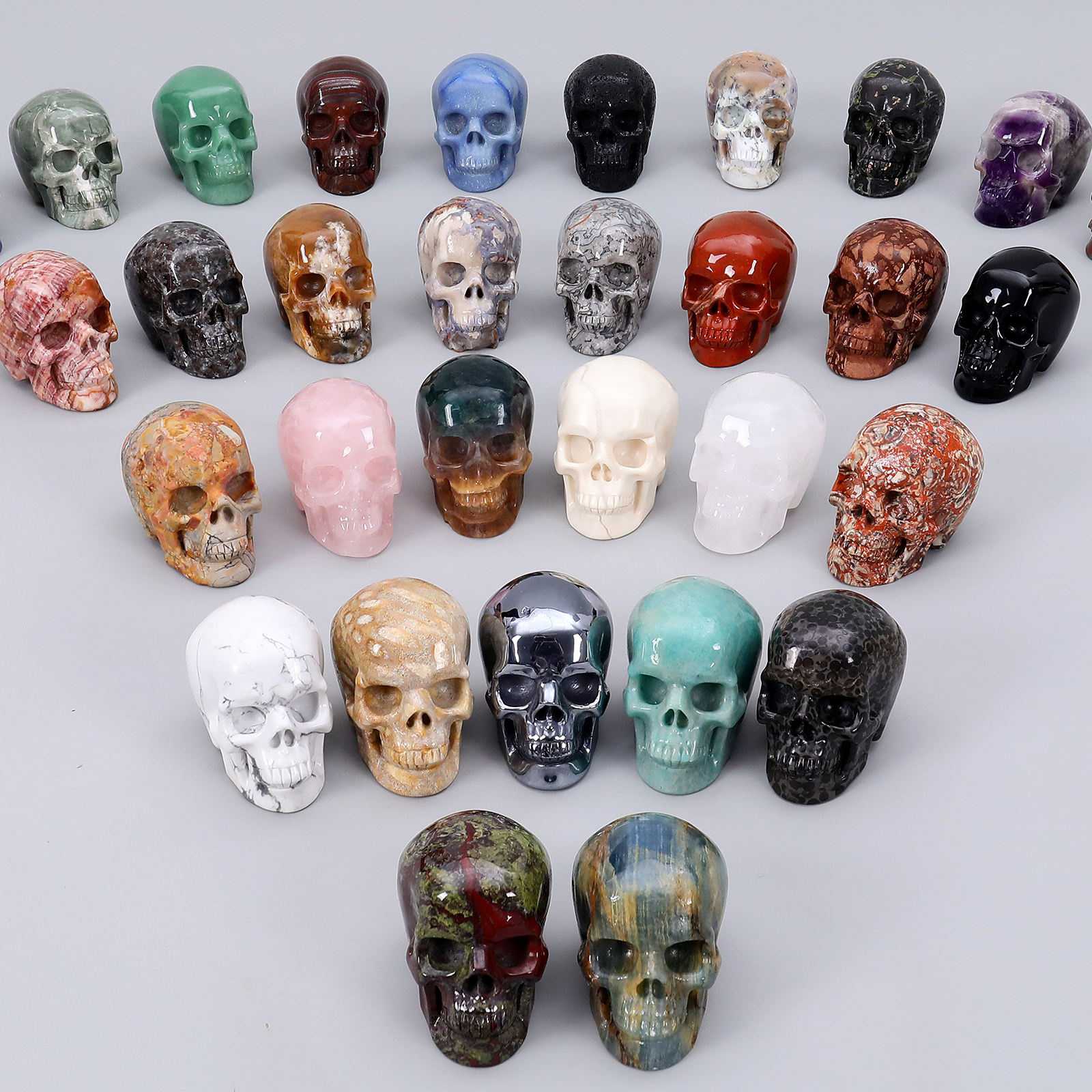
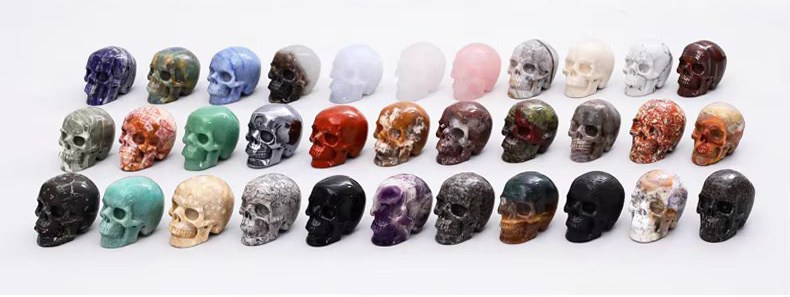
Clear quartz is the most versatile and affordable option, offering high clarity and suiting entry‑level bulk orders. Amethyst follows closely, with its deep purple colour and strong spiritual associations making it a favourite for meditation, décor, and gifts. Obsidian provides a dramatic black, glossy finish, often chosen for goth or masculine‑themed products. Rose quartz, with its pink hue, appeals to self‑care and feminine gift segments. Various jaspers offer earth tones and variety for natural or organic décor. Blue chalcedony is a rising star: its soft blue colour and calming energy are gaining traction among design‑conscious premium buyers.
Emerging Material Trends
Blue chalcedony is rising in popularity due to its distinctive colour and association with calm communication. Moldavite and other rare tektites appeal to high‑end collectors. Larimar (blue pectolite) is sought after for its Caribbean‑blue colour and rarity. Multi‑stone sets, such as seven‑chakra skull collections, are popular with spiritual retailers.
5. Regional Market Dynamics
North America
North America is the largest export market for crystal skulls and carved crystal products. Key characteristics:
-
The United States is the dominant market, with a healing crystal industry surpassing USD 1.8 billion and over 120,000 metaphysical businesses.
-
Canada maintains active wholesale and retail channels for crystal skulls.
-
U.S. and Canadian buyers prioritise reliable supply, wholesale‑ready packaging, competitive tiered pricing, and sourcing transparency.
-
Demand is driven by spiritual practice, home décor, gifting, and collectible markets.
Europe
Europe is the second‑largest market for crystal products worldwide. Key characteristics:
-
Western Europe shows strong demand from the UK, Germany, and France.
-
Nordic countries impose particularly high requirements for ethical sourcing and supply chain transparency.
-
Mindfulness culture, sustainable living, and luxury interior design fuel demand.
-
European buyers tend to favour higher‑quality, artisanal pieces over mass‑produced alternatives.
Asia‑Pacific
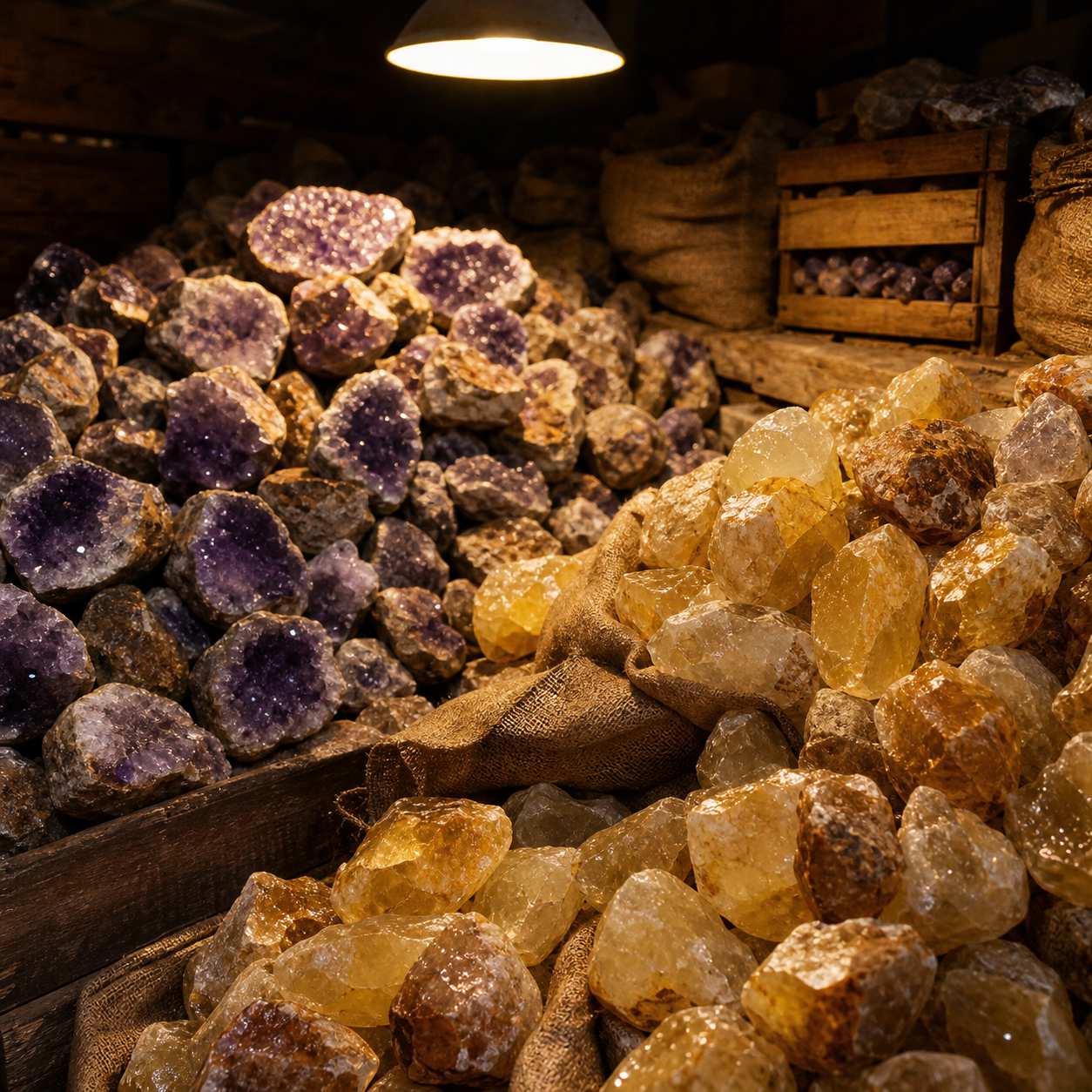
While Asia‑Pacific is a key growth region for crystal products overall, the crystal skull category has a different dynamic. China is the dominant manufacturing hub, especially Donghai County, which accounts for approximately 60% of China's raw quartz production. Japan and South Korea are growing markets for spiritual and decorative crystal products. However, the majority of production is destined for Western markets.
6. Application Segments and End‑Use Markets
This is the largest and most established application segment. Crystal skulls are used in meditation practices, energy healing and Reiki, crystal grids and altars, and personal spiritual collections. The broader spiritual wellness market is projected to exceed USD 210 billion globally, with crystal‑infused products capturing a growing share.
Home Décor and Interior Design
Crystal skulls are increasingly used as statement pieces in contemporary interiors. Applications include living room and office display pieces, bookshelf and mantle accents, high‑end retail store displays, and hotel and hospitality décor.
Corporate and Premium Gifting
Crystal skulls are positioned as high‑end corporate gifts for executive milestone awards, luxury brand partnerships and co‑branding, high‑value client appreciation, and event or conference giveaways at the premium tier.
Collectibles and Investment Pieces
Gem and mineral collectors actively seek rare or exceptional pieces. Museum‑quality pieces can command prices in the tens of thousands of dollars. Limited editions and numbered pieces appeal to serious collectors.
What Western Buyers Expect
Based on observable trade patterns and retailer requirements, North American and European buyers prioritise the following:
-
Material authenticity: Genuine natural stone, clearly identified.
-
Craftsmanship quality: Clean carving, high polish, attention to detail.
-
Consistent sizing: Uniform dimensions for retail display.
-
Wholesale‑ready packaging: Cleaned, sorted, and packaged for immediate retail.
-
Competitive pricing: Tiered discounts, mix‑and‑match options, flexible MOQs.
-
Sourcing transparency: Origin information, ethical mining claims where applicable.
Strategic Recommendations for Buyers
Diversify material sourcing by offering both high‑volume options (clear quartz, amethyst) and premium options (blue chalcedony, larimar). Stock multiple size tiers, from mini skulls for entry‑level buyers to large pieces for statement décor. Emphasise provenance by documenting material origin and ethical sourcing, which is increasingly important for European and North American buyers. Offer customisation—bespoke carvings and limited editions command premium pricing. Invest in presentation: packaging with metaphysical or design storytelling enhances retail appeal.
8. Outlook and Key Takeaways
The crystal skull market is growing steadily, supported by the broader crystal products market expansion (3.3–3.6% CAGR through 2035). North America and Europe are the primary export destinations, with the U.S. leading in both retail demand and the number of metaphysical businesses.
Pricing ranges from USD 30 to over USD 1,500+ per unit at wholesale, with handcrafted pieces commanding significant premiums. Material diversification is essential: clear quartz and amethyst anchor the volume segment, while blue chalcedony and other rare stones offer differentiation and higher margins.
Application segments are expanding beyond spiritual retail into home décor, corporate gifting, and collectibles—reducing reliance on any single channel. Sourcing transparency and ethical credentials are becoming baseline requirements, particularly for European buyers.
The crystal skull market is not a passing trend. With consistent year‑round demand, seasonal peaks, and expanding application segments, it represents a reliable and growing category for B2B crystal buyers.


 English
 Français
 عربي
عربي Deutsch