The global healing economy is no longer a fringe movement. What was once dismissed as alternative or niche has evolved into a multi-trillion-dollar market spanning wellness, spirituality, and conscious consumerism. At the heart of this transformation lies a surprising category: carved crystals.
For B2B buyers, understanding the intersection of the healing economy and the crystal carving market is essential for strategic sourcing decisions. This report examines the data behind the spiritual consumer wave, the growth trajectories of key market segments, and the practical implications for wholesale buyers serving North American and European markets.
The broader healing economy provides the macroeconomic context for the crystal carving market's growth.
According to the Global Wellness Institute's 2025 Global Wellness Economy Monitor, the wellness economy reached a record $6.8 trillion in 2025—a 7.9% increase from 2023 to 2024 and a doubling in size since 2013. The sector now represents 6.12% of global GDP.
The growth trajectory is accelerating. The Global Wellness Institute projects the wellness economy will expand by 7.6% annually from 2024 to 2029, a rate substantially higher than the projected global GDP growth of 4.5%. By 2029, the market is expected to reach $9.8 trillion.
For context: the wellness economy is growing faster than the global economy as a whole, and its component sectors—including spiritual and wellness products—are expanding at even more aggressive rates.
2. The Spiritual and Wellness Products Market: A High-Growth Segment
Within the broader healing economy, the spiritual and wellness products category—which includes crystals, meditation tools, aromatherapy, and energy healing products—is experiencing exceptional growth.
The global Spiritual and Wellness Products Market was valued at $11.3 billion in 2025 and is projected to reach $27.6 billion by 2033, expanding at a compound annual growth rate (CAGR) of 12.2%. Rising awareness of mindfulness, yoga, energy balancing, and ritual-based lifestyles is fueling demand across key product categories.
Even broader definitions capture a larger picture. The Global Spiritual Products and Services market is estimated at $225 billion in 2024 and is expected to reach $501 billion by 2033, a CAGR of 12.12%. This market encompasses physical products like crystals and incense as well as services such as life coaching and wellness retreats.
North America leads in market penetration due to high wellness spending, while Europe follows closely. The U.S. religious and spiritual products market alone reached $3.63 billion in 2025.
3. The Crystal Market: Specific Data Points
The crystal segment is not merely riding the wellness wave—it is a significant driver of it.
Crystal-Infused Therapies
The global Crystal-Infused Therapies market was valued at $0.8 billion in 2024 and is expected to reach $1.5 billion by 2033, growing at a CAGR of 9.5%. Common applications include crystal-infused water, oils, skincare products, and direct crystal healing sessions.
Crystal Therapy Services
The Crystal Therapy Service Market—encompassing chakra healing crystals, meditation crystals, healing stone therapy, and crystal jewelry therapy—was valued at $1.30 billion in 2025 and is forecast to reach $3.20 billion by 2033, a CAGR of 12.50%. North America dominated the market share.
Global Crystal Healing Market
The global crystal healing market was valued at $1.06 billion in 2024 and is projected to reach $2.7 billion by 2033, a CAGR of 11.15%.
The Global Spiritual Jewelry Market—which includes mala beads, crystals, and symbolic charms associated with mindfulness and healing—was valued at $4.7 billion in 2024 and is expected to reach $6.3 billion by 2031, a CAGR of 6.80%.
U.S. Healing Crystal Market
More specifically, the U.S. healing-crystal market is forecast at roughly $1.8 billion by 2024, representing approximately an 8% CAGR from 2020.
4. The U.S. Metaphysical Economy: A Case Study
To understand the scale of the opportunity, consider the U.S. metaphysical economy. America's 120,000+ metaphysical businesses are collectively generating $11.8 billion annually. During the pandemic, crystal and mineral shops experienced 32% growth.
This is not a niche. It is a substantial economic sector, roughly half the size of the U.S. yoga industry. And it is growing.
The market is also increasingly digital. Social media platforms have amplified the trend dramatically—TikTok's #crystals hashtag alone has generated billions of views. This digital amplification has accelerated consumer adoption and created new retail channels for crystal products.
5. Regional Dynamics: North America and Europe
North America
North America is the largest market for crystal and spiritual products. Key characteristics include:
-
The U.S. leads in both retail demand and the number of metaphysical businesses
-
North America accounted for the dominant market share of crystal therapy services
-
U.S. consumers prioritize authenticity, ethical sourcing, and wellness integration
-
The region shows a growing trend toward spirituality rather than organized religion, with a focus on individual beliefs and practices
Europe
Europe is the second-largest market. Key characteristics include:
-
Western Europe shows strong demand from the UK, Germany, and France
-
Nordic countries impose particularly high requirements for ethical sourcing
-
Mindfulness culture and sustainable living fuel demand
-
Europe sees a decline in traditional religious affiliations but a rise in interest in spiritual practices
6. Consumer Demographics: Who Is Buying?
The spiritual consumer wave is being driven by specific demographic cohorts.
Millennials and Gen Z are the primary drivers. These consumers are seeking products that satisfy emotional needs and support mental well-being. They value authenticity, sustainability, and personal meaning in their purchases.
Wellness seekers represent a broader demographic. Over 36% of U.S. adults reported engaging in mindfulness or wellness rituals weekly by 2024. These consumers are integrating spirituality into everyday life, transforming their homes into spaces for peace and reflection.
The post-pandemic landscape has accelerated this trend. With global mental health concerns on the rise, more individuals are turning toward tools that foster emotional balance and mental clarity.
7. Implications for B2B Buyers
Product Strategy
The data suggests clear opportunities for B2B buyers sourcing crystal carvings:
-
Diversify across price tiers: Entry-level pieces ($30–100 wholesale) capture volume; premium pieces ($500+) capture margin
-
Emphasize wellness-oriented products: Carved crystals positioned for meditation, energy healing, and home décor perform strongly
-
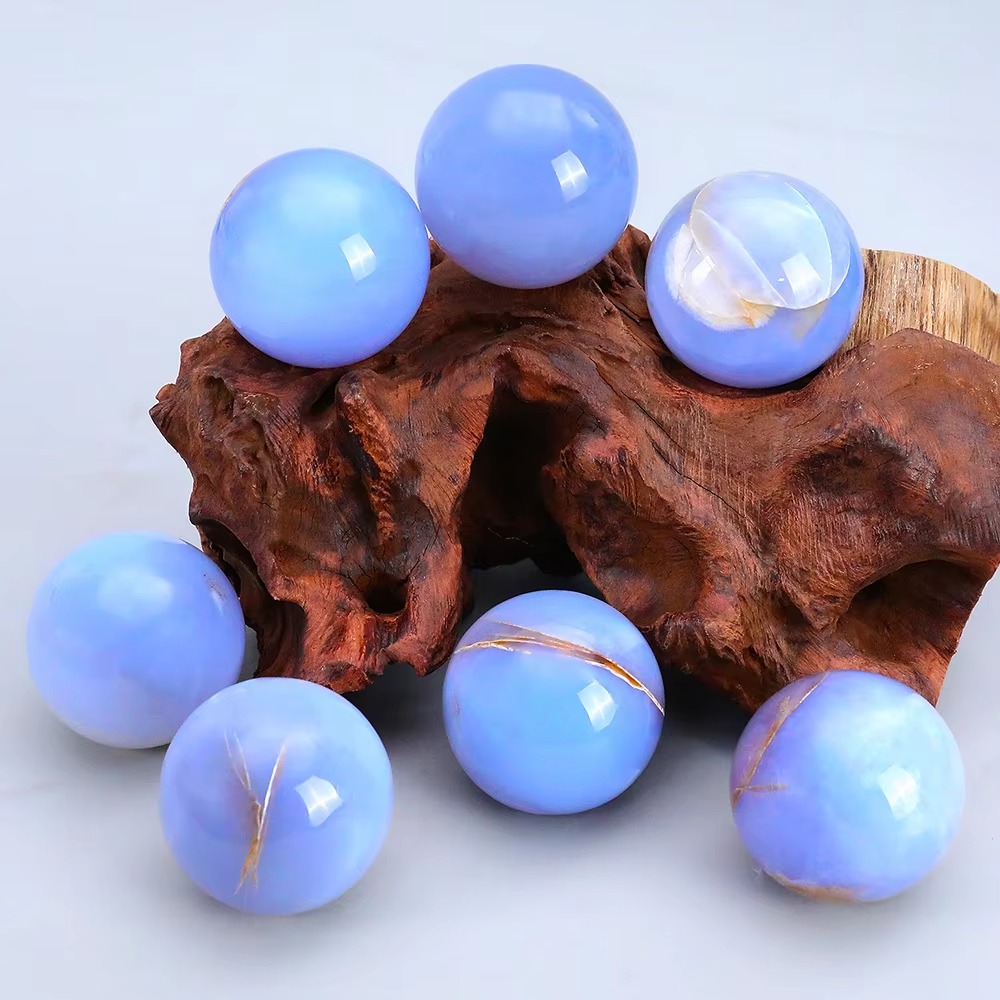
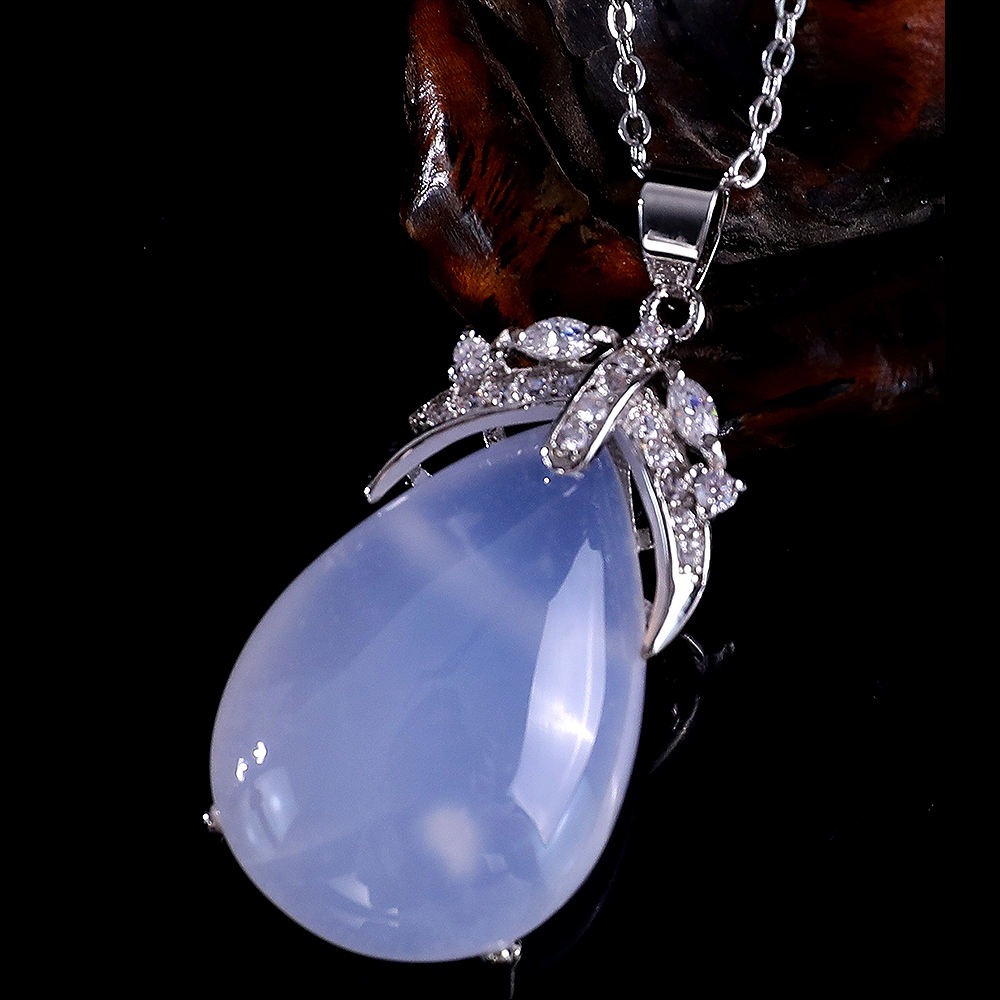
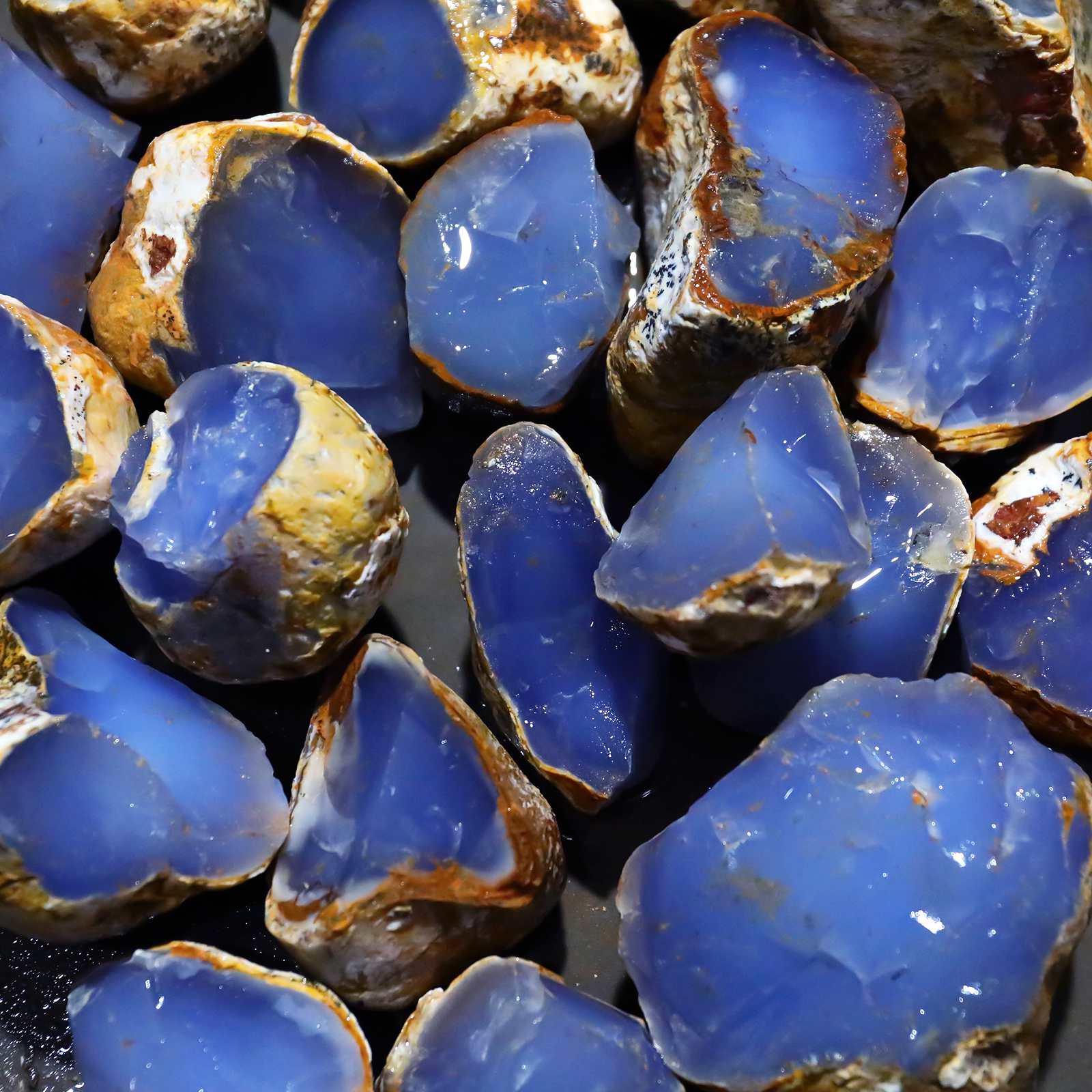
Consider material mix: Amethyst, rose quartz, and clear quartz anchor the volume segment; blue chalcedony and other rare stones offer differentiation
Sourcing Priorities
Western buyers are increasingly demanding:
-
Authenticity: Genuine natural stone, clearly identified
-
Ethical sourcing: Documentation of mine origin and ethical mining practices
-
Wholesale-ready packaging: Cleaned, sorted, and packaged for immediate retail
-
Customization capability: Bespoke carvings and limited editions command premium pricing
Market Entry Considerations
-
North America remains the primary target market, but Europe offers equally premium opportunities
-
Online channels are essential; e-commerce platforms now host thousands of spiritual wellness brands
-
Subscription models featuring crystal products are a growing trend
-
Social media presence is increasingly important for brand visibility
8. Outlook
The healing economy is not a passing trend. With the wellness economy projected to reach $9.8 trillion by 2029 and the spiritual and wellness products market growing at 12.2% CAGR through 2033, the crystal carving category is well-positioned for sustained growth.
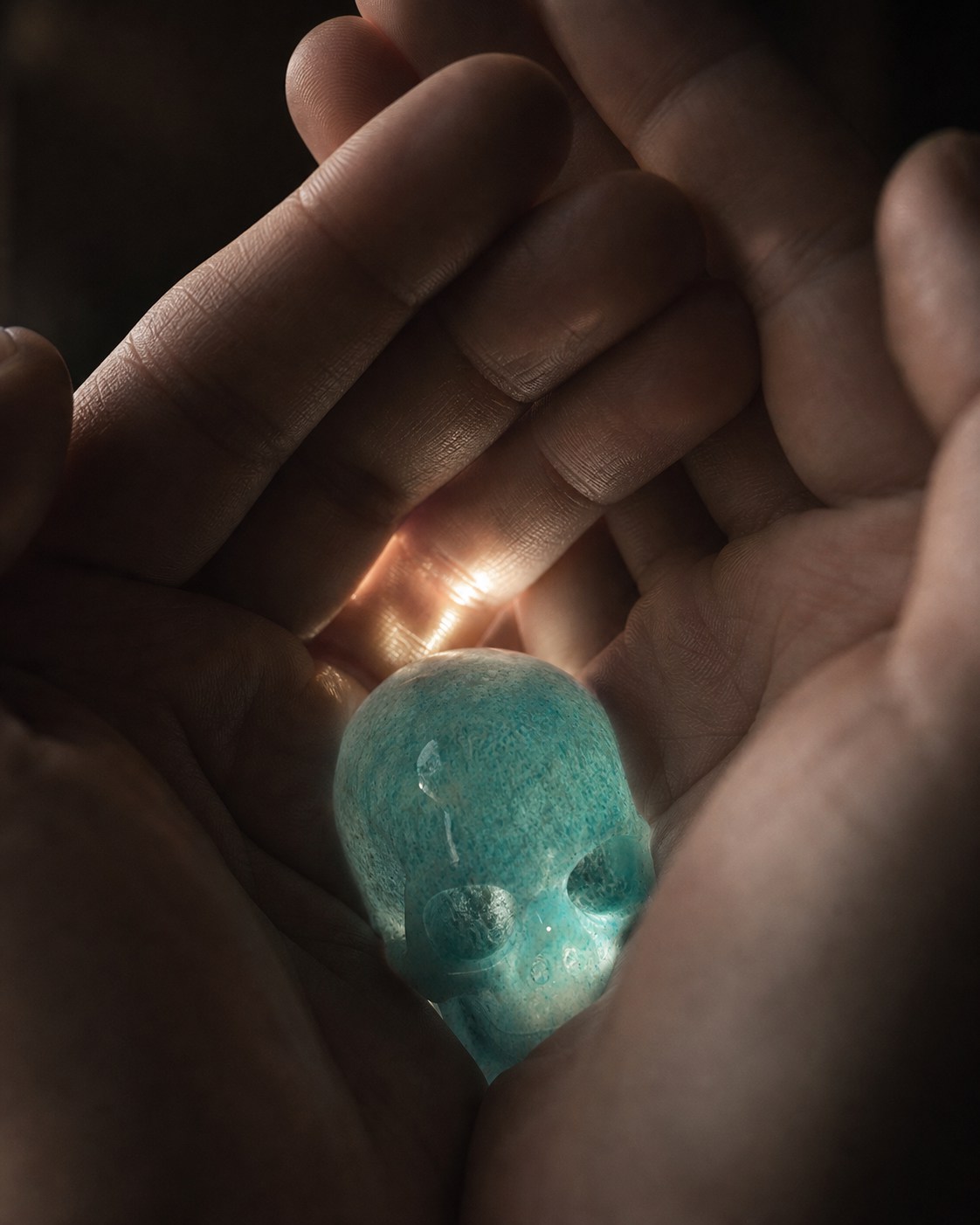
For B2B buyers, the opportunity lies in understanding the intersection of wellness, spirituality, and consumer goods. The data is clear: consumers are spending on products that support mental, emotional, and spiritual well-being. Crystal carvings—whether skulls, animals, or decorative objects—sit squarely at this intersection.
Buyers who act now on the right material mix, regional focus, and ethical sourcing credentials will be well-positioned for the next decade of demand.


 English
 Français
 عربي
عربي Deutsch